Sponsored article
The journey from coffee bean to cup is an aromatic adventure where each step plays a crucial role in crafting your perfect brew. Among these steps, grinding the beans is pivotal, with the type of grinder you choose significantly influencing the flavor and aroma of your coffee. Understanding these effects can elevate your coffee routine, allowing you to enjoy a more tailored and flavorful experience. Dive in to explore how different grinders make a difference in your daily cup.
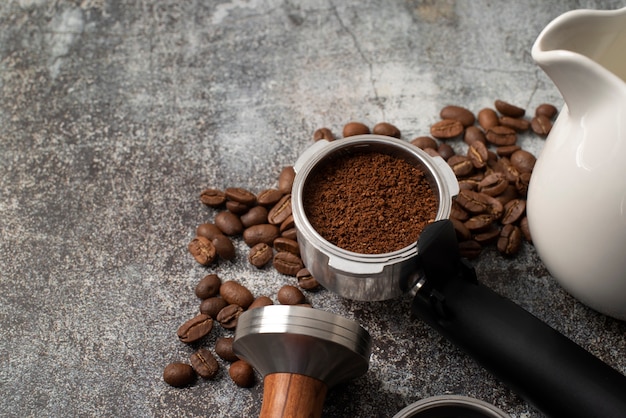
When it comes to enhancing the flavor and aroma of your coffee, selecting the right coffee grinder is crucial. Among the diverse range of options, burr grinders stand out for their consistent grind size, making them a favorite among coffee aficionados who seek optimal flavor extraction. Using precision burr plates, these grinders crush the beans between a moving and a non-moving surface, allowing for even grinding crucial for brewing methods like espresso. In contrast, blade grinders operate with a rotating blade at high speeds, offering an affordable and compact option, though they tend to produce uneven grind sizes, potentially affecting flavor consistency. Manual grinders, powered by hand, provide a tactile and portable solution, perfect for those who enjoy the ritual of coffee making, but may not offer the same level of precision as burr grinders. Each grinder type plays a distinct role in the coffee brewing process, impacting the overall taste and enjoyment of your cup. Explore our wide range of coffee grinding machines and accessories to find the perfect match for your brewing needs.
The impact of grind size on coffee flavor is a critical factor in brewing the perfect cup, as it directly influences the extraction process. When the grind size is altered, the surface area exposed to water changes, thereby affecting how quickly and thoroughly flavors are extracted. A coarse grind, often used for French press brewing, exposes less surface area, resulting in a slower extraction rate. This typically yields a cup with mild acidity and a rounded, fuller body, highlighting the deeper, earthy notes of the coffee. Meanwhile, a medium grind, commonly employed for drip coffee makers, balances extraction time, producing a well-rounded flavor with balanced acidity and sweetness. In contrast, a fine grind maximizes the surface area, accelerating extraction. Used in espresso machines, fine grinds lead to a more intense and robust coffee flavor, with heightened acidity and a prominent aroma. Thus, choosing the right grind size is essential to fine-tuning your coffee flavor to personal preferences and brewing methods.
The grinding process plays a pivotal role in the journey of enhancing the captivating coffee aroma. Freshness is a cornerstone in the equation, as freshly ground coffee unlocks the robust potential of aromatic compounds that lie dormant in whole beans. When coffee beans are ground, a myriad of aromatic compounds are released, creating an olfactory experience that is often richer and more complex than that of pre-ground coffee. The impact of grinding on aroma can be attributed to several factors:
Embrace the freshness and aromatics of coffee by mastering the art of grinding.