Sponsored article
<p>Plumbing issues are an inevitable part of homeownership. From minor leaks to more complex blockages, knowing how to troubleshoot common household plumbing problems can save you time and money. Understanding the basics can empower you to handle minor repairs confidently and efficiently, keeping your plumbing system in good shape. This article will guide you through essential tools, identification of frequent issues, and quick fixes that can prevent further damage.</p>
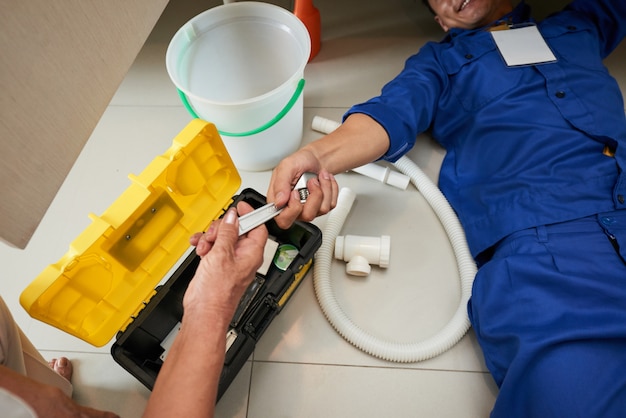
Understanding basic plumbing tools is crucial for effectively troubleshooting common household plumbing issues. A well-equipped basic plumbing toolkit can be a homeowner’s best friend when dealing with minor plumbing problems. At the top of this essential plumbing equipment list is the trusty plunger, a simple yet powerful tool for clearing blockages in sinks, toilets, and drains. Often, a few good plunges can effectively dislodge obstructions, restoring normal flow. Another vital tool is the adjustable wrench. This versatile instrument can tighten or loosen nuts and bolts, making it indispensable for tasks like fixing leaky faucets or connecting pipes. A basin wrench is also an invaluable addition, with its long handle and swiveling jaw designed specifically for reaching and manipulating the nuts beneath sinks in tight spaces.
Don’t overlook the importance of pipe tape, commonly known as plumber’s tape or Teflon tape. It is essential plumbing equipment for creating watertight seals on threaded pipe joints, helping prevent leaks from forming in areas where two pipes connect. Having a few different sizes of pipe tape at your disposal can make a significant difference when repairing or assembling plumbing connections. Moreover, a set of pliers, preferably tongue-and-groove pliers, offers additional grip and leverage for grasping, twisting, or pulling when other tools might not suffice. Equipping yourself with these basic plumbing tools ensures you are prepared to handle various plumbing scenarios, from clogged drains to leaky connections, saving time and reducing the need for frequent professional interventions.
When it comes to household plumbing, identifying common plumbing issues early can save you from costly repairs. One of the most frequent household plumbing problems is the dripping faucet, which not only irritates with its constant sound but also leads to water wastage—adding to your utility bills. Recognizing this issue is simple: if you notice continual drips when the tap is off, you’re dealing with a drip problem. Another frequent culprit is low water pressure, often detected when water trickles rather than gushes from the tap or shower, indicating potential blockages or leaks in your plumbing system. Pay attention to gradual changes in your water flow as this could lead to easier plumbing diagnosis and repair.
Clogged drains are another prevalent issue—a clear sign being water that drains slowly or not at all. Be vigilant about your sinks, showers, and toilets, as backups often are symptomatic of more serious underlying problems. For an effective plumbing diagnosis, keep a lookout for these telltale signals:
By recognizing these common plumbing issues early, you can take proactive measures in addressing household plumbing problems, ensuring your home runs smoothly with fewer disruptions.
When faced with emergency plumbing fixes such as burst pipes or severe leaks, it is vital to act swiftly to minimize damage. First, you should immediately turn off the main water supply to halt the flow of water, thus preventing further flooding and water damage. Once the water is stopped, open the taps and drain the water left in the pipes to reduce pressure. Having a set of temporary plumbing solutions on hand, such as pipe clamps, rubber sheets, or waterproof tape, can also be instrumental in temporarily sealing the leak. These tools can provide a stopgap measure to contain the problem until professional help arrives.
For minor leak repair, applying plumber’s epoxy or using pipe repair clamps can be effective. These solutions help manage the leak by providing a temporary seal that holds water at bay. In the case of frozen pipes, gently warming the area with a heat lamp or a hair dryer can restore normal flow, albeit requiring cautious handling to avoid cracks. Remember that these emergency plumbing fixes are only temporary, and seeking professional plumbing services is crucial for a permanent solution. Keeping calm and taking prompt action can make a significant difference in managing emergency plumbing issues effectively.