
Sponsored article
In the fast-evolving landscape of healthcare, embracing innovative training methods is crucial. Virtual reality (VR) is at the forefront of this revolution, offering a new dimension to how healthcare professionals learn and collaborate. By simulating realistic environments, VR enhances medical training, fosters improved communication, and promotes teamwork. This article explores the transformative potential of VR in reshaping collaborative practice, offering insights into its benefits and addressing the challenges it presents.
Virtual reality is revolutionizing healthcare training by providing realistic and interactive environments for medical education. This immersive technology allows medical students and professionals to practice and refine their skills in a safe, controlled setting that mimics real-life scenarios. The integration of virtual reality in healthcare training offers significant impact by enhancing the quality of education and bridging the gap between theoretical knowledge and practical application. Trainees can engage in complex medical procedures, develop diagnostic skills, and improve their decision-making abilities without the risks associated with traditional hands-on training.
Programs like SPIRIT-SBE are at the forefront of this technological advancement, utilizing virtual reality to deliver standardized interprofessional training. This innovative approach not only promotes collaborative practice but also ensures that healthcare professionals are better equipped to work effectively in multidisciplinary teams. The use of immersive technology facilitates a deeper understanding of patient care, communication, and teamwork, thereby shaping a new generation of healthcare providers who are prepared for the challenges of modern medicine.
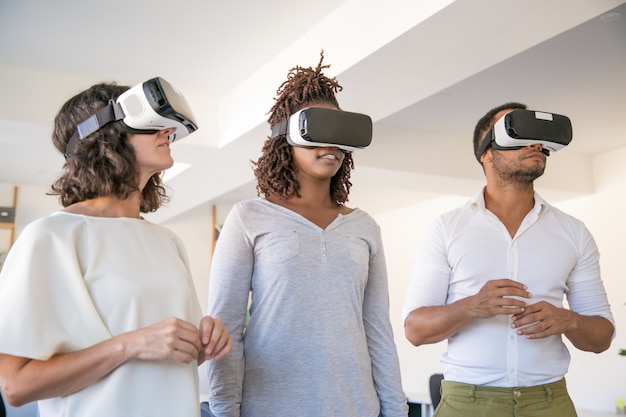
Virtual reality is revolutionizing the landscape of collaborative practice in healthcare by providing an immersive platform that fosters enhanced teamwork and communication among healthcare professionals. One of the significant benefits of virtual reality is its ability to simulate realistic medical scenarios, allowing teams to practice and refine their skills in a safe and controlled environment. This immersive experience aids in improving the coordination and understanding among team members, leading to more efficient and cohesive teamwork. By engaging in virtual reality training, healthcare practitioners can develop a deeper understanding of each other’s roles and responsibilities, which is crucial for effective collaborative practice.
Virtual reality facilitates real-time communication, enabling participants to receive instantaneous feedback and make adjustments promptly, enhancing overall team performance. This advanced technology not only strengthens the synergy within teams but also positively impacts patient outcomes by reducing medical errors and improving the quality of care provided. The integration of virtual reality into healthcare training programs also promotes continuous learning and development, ensuring that healthcare professionals are well-equipped to face the dynamic challenges of the medical field. As a result, it is evident that the adoption of virtual reality in healthcare training significantly enhances collaborative practice, driving better results for both healthcare teams and their patients.
Implementing virtual reality in healthcare training presents a range of challenges, notably the often prohibitive costs associated with acquiring and maintaining advanced VR systems. These expenses can strain the budgets of healthcare institutions, making widespread adoption difficult. Additionally, there is the challenge of technology adoption within the medical field, where traditional methods are deeply entrenched. Resistance to change is another significant barrier, as healthcare professionals may be hesitant to integrate new, unfamiliar technologies into their training regimens. This resistance can stem from a lack of understanding of VR’s potential benefits or skepticism about its effectiveness in comparison to more conventional methods.
Nonetheless, there are viable solutions to these challenges. Innovative financing strategies, such as leasing VR equipment or seeking partnerships with technology firms, can mitigate the financial burden on healthcare facilities. Furthermore, comprehensive educational initiatives that showcase the effectiveness of VR training can play a crucial role in overcoming resistance to change. Demonstrating measurable improvements in training outcomes can help assuage doubts and encourage wider acceptance of this emerging technology. By addressing these challenges systematically, the healthcare industry can fully unlock the potential of virtual reality training to enhance collaborative practice.