Sponsored article
In today’s rapidly evolving healthcare landscape, the necessity for multidisciplinary collaboration is more apparent than ever. Collaborative training practices have emerged as a pivotal strategy to bridge gaps in knowledge, skills, and communication among healthcare professionals. By fostering teamwork and understanding across various disciplines, these practices not only enhance the quality of care but also lead to improved patient outcomes. This article delves into how integrating such training approaches can transform healthcare delivery.
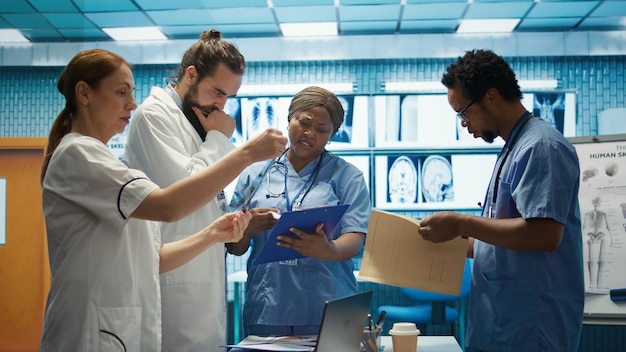
Integrating allied health professionals into training programs plays a crucial role in fostering enhanced healthcare collaboration, leading to improved patient outcomes. As healthcare becomes increasingly team-oriented, the need for interdisciplinary training that includes diverse professionals such as physical therapists, occupational therapists, and dietitians becomes evident. By incorporating these professionals into collaborative training environments, healthcare teams can harness a wide range of expertise, promoting a holistic approach to patient care. Through interprofessional simulation in healthcare education, these programs simulate real-world scenarios, allowing team members to practice communication, negotiation, and coordination skills proficiently. As a result, interdisciplinary training not only enhances teamwork among different healthcare roles but also translates into more cohesive and efficient patient care. Ultimately, bridging the gap between different health disciplines through integrated training is vital for innovating and improving healthcare systems worldwide.
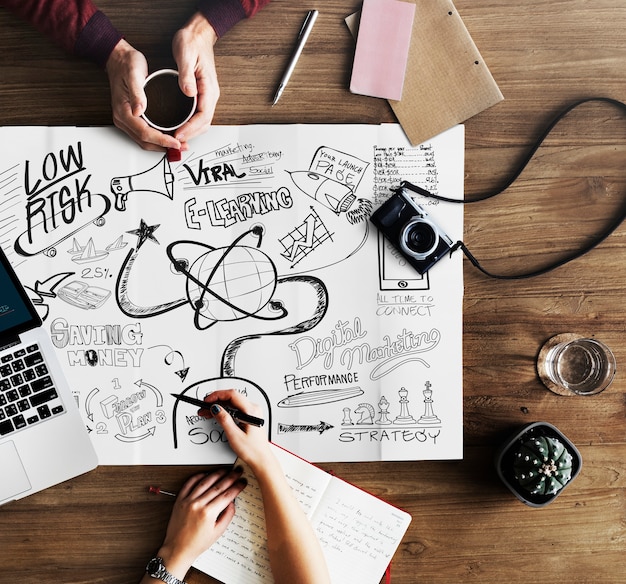
In the quest to bridge gaps in healthcare through collaborative training practices, training technology has become a vital catalyst for innovative training solutions. Utilizing a blend of state-of-the-art e-learning in healthcare and simulation tools, healthcare providers are revolutionizing how professionals are educated and trained. E-learning platforms offer flexibility and accessibility, allowing practitioners to engage in interactive online courses, webinars, and virtual classrooms. Additionally, simulation tools create immersive environments where trainees can practice complex procedures without risks. These advancements not only enhance learning but also promote teamwork and communication. Key technological advancements include:
By integrating these tools, healthcare institutions are fostering a culture of collaboration and continuous improvement.
Overcoming barriers to successful collaborative training in healthcare requires addressing several key challenges that impede the seamless integration of training efforts. One prominent barrier to training is the disparity in professional backgrounds, which can lead to varying priorities and communication issues among healthcare teams. Additionally, time constraints pose significant collaborative training challenges, as healthcare professionals often struggle to balance training sessions with their demanding schedules. Institutional resistance to change further complicates the process, with entrenched practices hindering new collaborative approaches. To surmount these obstacles, healthcare institutions must adopt practical solutions in healthcare training, such as:
By addressing these common barriers and implementing targeted strategies, healthcare organizations can foster effective collaboration that ultimately enhances patient care.