Sponsored article
When exploring Polish culture and history, many might first think of famous destinations like Kraków’s historic sites or Warsaw’s vibrant life. Yet, beyond these popular attractions, there lies a wealth of hidden gems waiting to be discovered. From traditional crafts passed down through generations, to the brave acts of a resilient nation during challenging times, Poland’s hidden cultural and historical treasures offer a unique insight into its identity and enduring spirit.
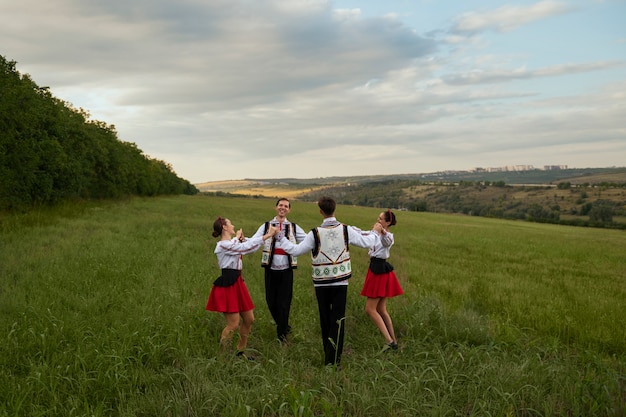
One of the captivating hidden gems of Polish culture is its vibrant folk art, a testament to the country’s rich craftsmanship and diverse regional identities. Among the most iconic forms of Polish folk art is Wycinanki, the intricate paper cuttings that originate primarily from regions like Kurpie and Łowicz. These exquisite designs often depict symmetrical patterns and rural scenes, embodying the essence of cultural narratives passed down through generations. Similarly, traditional Polish embroidery is a significant craft that showcases the unique stylistic hallmarks of different regions. From the vivid floral motifs of the Podhale region to the geometric designs of the Kaszuby area, these embroideries hold great cultural significance and continue to inspire contemporary Polish design. Moreover, these ancestral arts are celebrated not only in local crafts but also act as ambassadors of Polish heritage to the world. Discover more about Poland’s rich artistic traditions by visiting Greetings From Poland.
Amidst the chaos of World War II, the spirit and determination of the Polish people shone through in the form of the WWII Polish resistance, a formidable force against the Nazi occupation. Central to this movement was the Home Army, or Armia Krajowa, which stood as the forefront of the resistance effort, orchestrating numerous operations throughout occupied Poland. At the heart of these efforts lay the Warsaw Uprising, a daring and pivotal event that began on August 1, 1944. This audacious operation was a testament to the bravery and resilience of the Polish populace, as civilians and soldiers alike rose up to reclaim their city after five long years of oppression. Despite being vastly outnumbered and facing an enemy equipped with superior weaponry, the Home Army managed to sustain the fight for over two months. The Polish underground state worked tirelessly to maintain governance and coordinate resistance activities, illustrating the indomitable spirit of a nation unified in its quest for freedom.
While the towering turrets of Wawel Castle or the grandeur of Malbork may capture the spotlight, Poland is also home to a myriad of hidden palaces and Polish castles that whisper tales of bygone eras. Tucked away in the tranquil landscapes of the Polish countryside, these architectural gems are both beautiful and historically significant. Take, for instance, the Sobieski Palace, a lesser-known yet mesmerizing example of baroque grandeur located in the heart of Warsaw. Known for its intricately detailed facades and lush gardens, the palace once served as the seat of the noble Sobieski family and offers a glimpse into their lavish lifestyle. Another hidden jewel is the Kórnik Castle, shrouded in mystery and boasting a sprawling library collection. Then there’s Moszna Castle, whose fairy-tale architecture beguiles visitors with its 99 turrets. These hidden palaces are not mere relics of Polish history; they are vivid reflections of the country’s rich cultural tapestry and enduring legacy.