Sponsored article
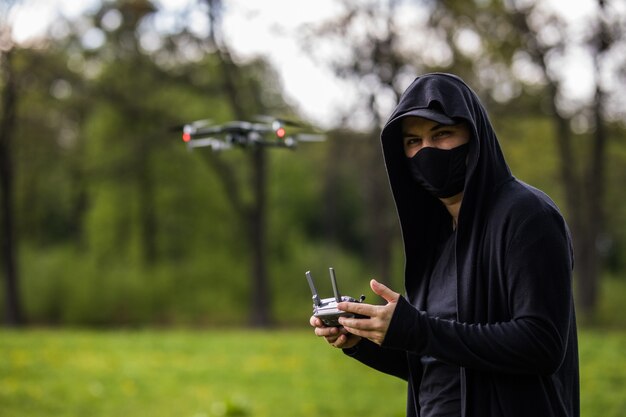
As drones become increasingly common, the risk of unauthorized intrusions into sensitive areas has grown significantly. Protecting these spaces necessitates the integration of advanced technology to counteract potential threats. From sophisticated detection systems to intelligent identification software, the tools available today provide robust solutions to safeguard against invasions of privacy and security breaches. In this article, we’ll delve into how emerging technology can effectively mitigate risks associated with unauthorized drone activity.
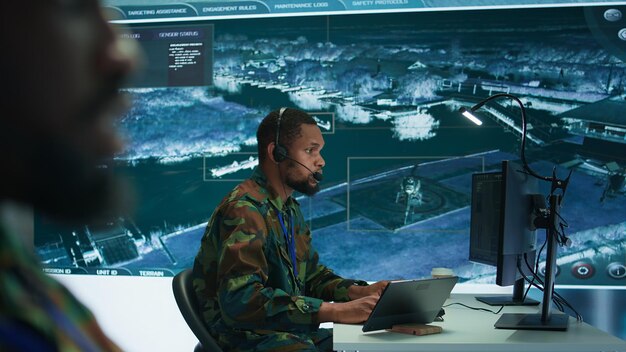
The rapid evolution of drone detection technology has vastly improved our ability to safeguard sensitive locations against unauthorized aerial intrusions. Among the forefront of these advancements are sophisticated anti-drone systems that deploy a combination of radar, sensors, and real-time monitoring. These multi-layered systems offer a robust suite of tools to identify the presence of drones, track their movements, and assess potential threats in real-time. Radar technology precisely pinpoints drone positions even at great distances, while advanced sensors provide nuanced detection capabilities by analyzing the unique signatures of drones. Real-time monitoring systems integrate data from these sources, offering seamless situational awareness to security teams. Moreover, innovative solutions utilizing GNSS spoofing and detection are redefining the way we tackle drone intrusions. By misleading unauthorized drones with false location data, these cutting-edge technologies enhance both protection strategies and operational control of vulnerable airspace.
Intelligent software for drone identification is playing a pivotal role in safeguarding airspaces from unauthorized drone intrusions. By leveraging cutting-edge AI and machine learning technologies, drone identification software can accurately detect and identify drones, distinguishing between authorized and unauthorized entities. This advanced software conducts thorough threat analysis, evaluating drone patterns, flight paths, and signal signatures to assess potential risks. AI algorithms are trained to learn from vast datasets, enabling the software to adapt and evolve, improving its performance over time. Consequently, as the software becomes more adept at distinguishing benign drones from those that may pose a threat, the overall cybersecurity of airspaces is significantly enhanced. This proactive approach not only prevents unauthorized drone entries but also ensures compliance with aviation regulations, making airspace safer for all users. Through continuous machine learning advancements, drone identification software remains at the forefront of technological defense against future drone-related challenges.
The rise of drone technology has been accompanied by an array of complex legal implications and a pressing need for robust drone regulations. Implementing a comprehensive legal framework is pivotal in addressing unauthorized drone intrusions. Authorities worldwide are tasked with the challenge of crafting regulations that not only deter illicit drone activities but also promote safe and lawful drone usage. Here, compliance technology plays an essential role. By integrating sophisticated drone traffic management systems, authorities can monitor and manage drone activities effectively. These systems provide real-time data, enabling proactive tracking and identification of unauthorized flights. Compliance technology thus ensures adherence to established drone regulations, empowering legal bodies to take swift action against violations. This integration of legal frameworks with cutting-edge technology facilitates a controlled aerial environment, enhancing public safety and privacy. Ultimately, the synergy between regulatory measures and technological innovation remains crucial to preventing unauthorized drone intrusions while promoting responsible drone use.