Sponsored article
Delving into the culinary landscape of Central Europe offers more than just a taste of delicious food; it provides an immersive journey into the region’s rich culture and history. The scents, flavors, and preparation methods reflect centuries of tradition and influence. By savoring these authentic dishes, one gains insights into the societal norms, values, and identities that shape the lives of people across Central European countries. Embark on this flavorful adventure to deepen your cultural understanding.
Central European cuisine is a cornerstone of cultural traditions in the region, deeply intertwined with the local dishes that have been passed down through generations. Whether it’s the hearty goulash of Hungary, the pierogi of Poland, or the schnitzel of Austria, these dishes do more than satisfy hunger—they serve as a narrative of the region’s complex history and shared heritage. Traditional foods are an integral part of various celebrations, such as weddings, Christmas, and Easter, where specific recipes are not only savored but also used to convey cultural values and storytelling. Each ingredient often has a symbolic meaning, representing abundance, prosperity, or fertility.
These culinary experiences offer a window into the soul of Central European countries, where local dishes are much more than food; they are a celebration of identity and continuity. Exploring these traditions can provide a deeper understanding of and connection to the history and values of the region. For those eager to immerse themselves in the rich tapestry of Central European culture through its foods, travel experiences curated by https://greetingsfrompoland.com offer an ideal pathway to explore and engage with this profound culinary heritage.
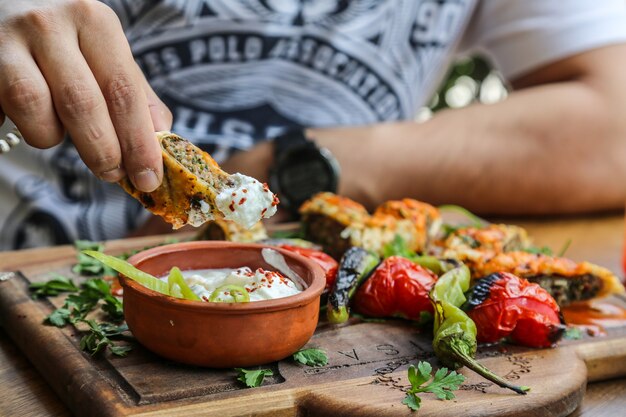
Exploring regional specialties through culinary tours across Central Europe offers an intimate glimpse into the diverse gastronomy that defines this culturally rich area. From the hearty goulash of Hungary to the delicate pierogi of Poland, each dish tells a story of the land’s history and its people. The flavors found in Central European cuisine are as varied as the landscapes themselves, influenced by multiple nations and traditions. For example, the robust taste of Czech beer complements the smoky sausage dishes typical of the region, while the refined palates in Austrian cities savor the sweet nuances of a classic Sacher torte. Each region’s local ingredients, such as Hungary’s paprika or Poland’s wild mushrooms, play a crucial role in crafting these unique culinary experiences.
Immersing oneself in the regional specialties of Central Europe not only tantalizes the taste buds but also deepens one’s understanding of the regional differences and cultural nuances. Participating in culinary tours across different localities reveals the intimate connections between people, their traditions, and the land they inhabit. Discovering how Germans perfect their sausages or why Slovakians treasure their sheep’s cheese opens a dialogue with the past and the present—showcasing the inextricable link between food and culture. Whether it is through the robust gravies of rural Czechoslovakia or the intricate pastries of Austria, the culinary journey through Central Europe unveils a rich tapestry of flavors that resonates with the soul of each region.
Culinary experiences serve as a gateway to cultural education, offering a uniquely immersive way to understand Central European culture through the senses. Engaging in cooking classes and taste exploration activities transforms food into an educational tool, where the preparation and consumption of traditional dishes reveal rich cultural narratives. Each recipe carries a story, often tracing back to historical events, regional traditions, and ancestral customs. By learning to create these dishes, individuals can uncover layers of history and symbolism that written texts alone do not convey.
For instance, participating in local cooking classes allows participants to:
Such culinary experiences offer a deeper comprehension of Central European traditions and identities, making them an enriching educational endeavor beyond simple taste exploration.