Sponsored article
In today’s fast-paced food industry, maximizing efficiency is crucial for staying competitive. Automated packaging machinery offers a transformative solution, streamlining processes and enhancing overall productivity. By integrating advanced packaging systems, food manufacturers can boost operational efficiency, minimize waste, and ensure consistent product quality. This article explores the substantial impact of automation on food production and guides businesses in navigating this technological shift.
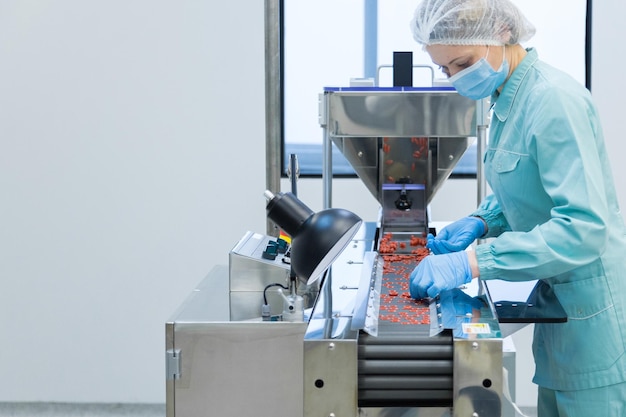
In the realm of food manufacturing, automation stands as a transformative force, bringing forth a multitude of packaging machinery benefits that significantly enhance operational efficiency. By integrating advanced automated packaging systems, like those offered by leading suppliers such as Rafpol Distribution Ltd, companies can drastically increase production speed and reduce labor costs. Automated machinery efficiently handles repetitive tasks, allowing human resources to focus on more complex operations, thereby maximizing workforce utility. Efficiency gains from automation not only translate to cost savings but also facilitate a more agile production process capable of scaling to meet demand fluctuations.
Furthermore, automated packaging machinery plays a crucial role in quality control, ensuring consistent product quality and reducing the likelihood of defects. High precision in packaging aligns with industry standards and preserves brand reputation, while automation’s ability to minimize material wastage contributes to both environmental sustainability and cost efficiency. Overall, automating packaging processes in food manufacturing not only boosts productivity but also drives quality improvements and cost-effectiveness. For more information, see https://www.rafpol.co.uk.
Choosing the right packaging technology for your food production line is crucial for enhancing efficiency and meeting market demands. When embarking on packaging technology selection, it’s essential to first evaluate your production volume. High-volume producers may require robust, industrial-grade machinery types that can handle large quantities swiftly, while smaller operations might benefit from more compact, agile equipment. Equally important is understanding your product type, as various products—whether they are liquids, solids, or powders—will have distinct packaging needs and may necessitate specific machinery types to ensure optimal preservation and presentation.
Beyond immediate needs, consider the scalability of your packaging solutions. As your business grows, your machinery should be able to adapt, allowing for expansions and modifications without significant overhauls. Customization is another critical factor; machinery that can be tailored to fit unique production requirements can significantly enhance operational efficiency. By carefully assessing these elements—production volume, product type, scalability, and customization—you can select the packaging technology that not only fits your current food production line needs but also supports future growth and innovation.
Delving into case studies of automation implementation within the food industry reveals compelling success stories that highlight transformative operational improvements. One prominent example involves a leading dairy product manufacturer who faced considerable bottlenecks in their packaging line, largely due to manual labor constraints and fluctuating demand. To address this, they implemented an advanced automated packaging system that efficiently streamlined operations. The solution included robotic palletizers and automated guided vehicles, which not only resolved labor shortages but also ensured consistent quality and faster response times.
Another success story comes from a snack food producer who experienced high material waste and costly downtime with their conventional systems. By adopting automated packaging machinery featuring real-time monitoring and predictive maintenance, they significantly reduced breakdowns and wastage. These strategic integrations resulted in a remarkable 30% increase in productivity and enhanced profitability, underscoring how automation implementation can revolutionize efficiency in the food industry.