
Sponsored article
In a world where drones are increasingly utilized for both beneficial and malicious purposes, security personnel face growing challenges in mitigating unauthorized drone threats. As these aerial devices become more capable, the need for effective counter-drone measures becomes vital to maintaining safety and security. This article delves into the innovative solutions and approaches that empower on-the-ground teams to identify, track, and neutralize unauthorized drones, thereby protecting the integrity of secured areas.
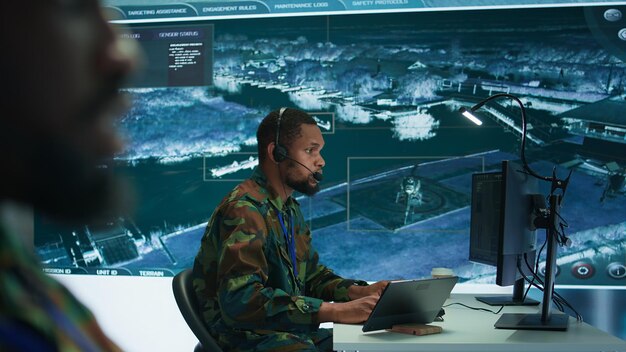
The rapid rise in unauthorized drone activities has pushed the development of cutting-edge technologies specifically designed for drone detection. Emerging advancements in anti-drone technology now equip on-the-go security personnel with tools that are more efficient than ever before. Among these innovations, radar systems stand out as they use radio waves to detect the presence, speed, and direction of incoming UAVs. Similarly, radio frequency sensors are gaining traction due to their ability to intercept the communication signals between a drone and its controller, thereby identifying potential threats even before they become visible.
Furthermore, optical tracking systems employ advanced imaging technologies to visually spot drones in real-time, regardless of size or speed. These technologies collectively provide security teams with the critical capabilities needed for effective UAV tracking. To counteract these detected threats, utilizing a portable drone jammer system can be crucial. This versatile solution is complemented by:
These tools, together, enhance the security framework against unauthorized drone incursions, ensuring robust and responsive management of aerial threats.
One of the best practices for on-the-ground security teams in effectively countering unauthorized drone threats is the establishment of a well-defined security protocol. Ground personnel must be equipped with clear instructions and threat response procedures to follow in case of suspicious drone activity. This includes setting up a monitoring system to detect drone incursions early, employing technologies like radar or RF detectors to pinpoint their location, and possibly engaging with the drone via non-lethal countermeasures. Rapid threat assessment is crucial to determine the severity of the drone incursion and the appropriate action needed, whether it’s alerting higher authorities or neutralizing the threat themselves.
Training and readiness are integral to swiftly and safely responding to drone threats. Ground personnel strategies should encompass regular drills and scenario planning that include:
By implementing a robust security protocol, on-the-ground teams can enhance their response capabilities, ensuring the protection of people and property from unauthorized drone activities.
As on-the-go security personnel work to counter unauthorized drone threats, it is crucial to navigate the intricate landscape of drone laws and the ethical use of countermeasures. The legal framework is often complex and varies significantly across different jurisdictions, necessitating a thorough understanding of local, state, and federal regulations before deploying any legal countermeasures. Security personnel must ensure that their actions are compliant with existing drone laws, which outline permissible and prohibited methods for disabling or intercepting drones. Adopting counter-drone technology without a legal basis may lead to severe repercussions, including legal action, fines, or liability for damages.
Beyond the legal aspects, the ethical use of drone countermeasures must be considered to protect privacy and uphold civil liberties. Security teams should employ the least intrusive methods first, focusing on non-destructive tactics whenever possible. Additionally, it is essential to maintain transparency and document all instances of drone countermeasures, balancing effective threat mitigation with respect for individual rights. By combining a robust understanding of legal countermeasures with ethical considerations, security personnel can effectively address drone threats while upholding societal values.